Shibari rope bondage, a short guide and a verified catalog
Shibari is the Japanese art of decorative rope bondage, admired as much for its patterns and patience as for the trust between the person tying and the person being tied. This page explains where shibari comes from, which ropes practitioners use and the safety basics every beginner should know. Then it shows what KinkPass members find in the shibari catalog: verified creators and studios, tutorials, long-form ties and photo sets, all in one monthly pass.
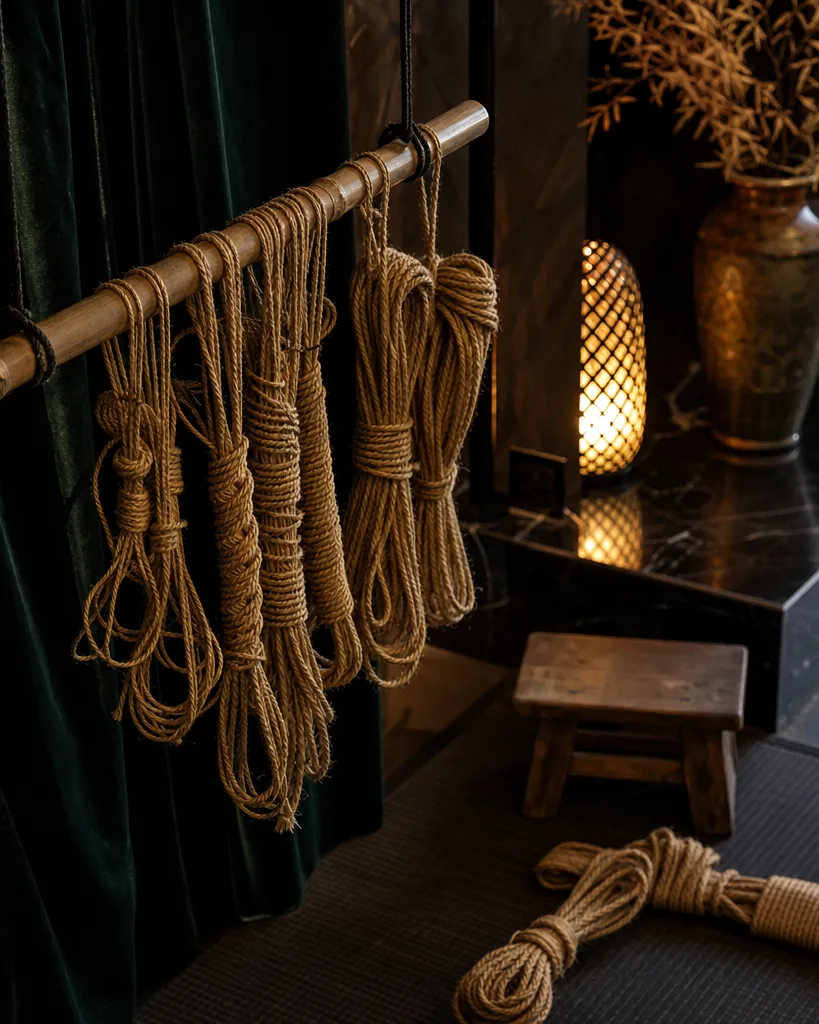
Where shibari comes from
The word shibari means "to tie" in Japanese, and in the West it has become the common name for Japanese style rope bondage. In Japan the erotic art is more often called kinbaku, meaning "tight binding". Its visual language draws on hojojutsu, the historical martial technique of restraining people with cord, but modern kinbaku developed in the twentieth century through artists, photographers and performers who turned restraint into an aesthetic form. Today it is practiced worldwide in workshops, performances and private relationships, and it ranges from purely artistic photography to intimate power exchange between consenting adults.
What makes shibari distinct from other bondage is the attention to form. Knots are minimal, lines and tension carry the design, and the process of tying is often as important as the finished pattern. Many practitioners describe it as a conversation in rope, where the rigger reads breathing and body language and the person in rope communicates comfort at every stage.

Shibari rope, choosing the right material
Rope choice shapes the feel, the look and the safety of a tie. Practitioners usually start with one of three natural or near-natural options.
- Jute is the traditional choice for Japanese style work. It is light, grips well, holds knots with little friction and gives a classic look, but it needs conditioning and care.
- Hemp is stronger and heavier than jute, a little rougher on the skin at first and very durable, which makes it popular for floor work and practice.
- Cotton is soft, easy to wash and gentle for beginners. It stretches more and holds knots less firmly, so it suits floor ties rather than anything weight bearing.
- Synthetic ropes such as nylon or MFP are smooth and colorful, but they can slip and cause friction burns, so they are better for decorative ties.
Most traditional ties use rope around 6 mm thick in lengths of about 7 to 8 meters. Whatever the material, check every length for fraying and retire rope that shows wear.
Shibari safety, the basics every beginner needs
Rope can look calm while it is putting serious pressure on the body, so safety is part of the craft from the first tie.
- Nerves run close to the skin in the upper arms, wrists and inner thighs. Compression there can cause numbness or lasting nerve damage, so avoid tight wraps over those areas.
- Check circulation often. Ask about tingling, numbness, coldness or color changes, and treat any of them as a reason to loosen or untie immediately.
- Keep safety shears within reach at all times. Blunt-tipped paramedic shears cut rope quickly without risking the skin.
- Never leave a person in rope alone, not even for a moment, and agree on a safe word and a non-verbal signal before you begin.
- Suspension is advanced work. It requires training, proper hard points and an experienced partner.
- Learn from experienced teachers in workshops or rope communities. Videos are useful for inspiration, but in-person guidance teaches what a screen cannot.
Shibari videos and photo sets on KinkPass
KinkPass collects shibari work from verified independent riggers, rope models and studios, and organizes it so you can explore both the art and the scenes.
- Long-form ties that show the whole process, from the first wrap to the release
- Floor work, partial ties and decorative harnesses, labeled by style
- Photo sets that highlight patterns, lighting and rope texture
- Rope scenes within wider power exchange, connected to bondage videos and BDSM videos
- Filters by format, rope material, style and length, plus collections and watch later
- A new-release feed for the riggers and rope models you follow
Hard limits for rope fans
Some viewers love shibari purely as an art form and prefer calm, aesthetic ties. Others enjoy rope combined with impact play, gags or strict dominance. Hard-limit filters let you hide any of those themes across the whole catalog, including search and recommendations, so the shibari collection stays as artistic or as intense as you want it to be.

Verified riggers, verified rope models
Every adult in a KinkPass upload has passed age and ID verification as 18 or older, and each scene includes signed consent from all participants, with records kept under 18 U.S.C. 2257. Uploads go through automated screening and a human review, and anything ambiguous is rejected. Members can report any item directly. Our safety standards explain the full process.

One pass for every rope artist
Rope artists often publish in many separate places: per-creator subscriptions, clip stores and studio memberships. KinkPass puts their work in one catalog. Pass costs 14.99 USD per month billed yearly or 29.99 USD month to month, with HD access to everything. Plus adds 4K where available, which matters for the detail of rope work, along with offline viewing and new releases 48 hours before Pass members. A 5 USD monthly Creator Boost lets you support a favorite rigger, with 80 percent going to that creator.
Continue to bondage videos
Shibari is one tradition within a wider world of restraint. The bondage videos collection brings in cuffs, leather, tape and Western rope styles from the same verified creators.
FAQ
What is the difference between shibari and kinbaku?
In Japan, kinbaku is the usual term for erotic rope bondage, while shibari simply means to tie. In the West, shibari has become the common name for the whole art.
What rope is best for shibari beginners?
Cotton is soft and forgiving for floor practice. Jute is the traditional choice once you know the basics, and hemp is a durable middle ground.
Is shibari safe?
It can be practiced safely with care. Avoid pressure on nerves, check circulation often, keep safety shears close, never leave someone alone in rope and learn from experienced teachers.
Can I learn shibari from KinkPass videos?
Process videos and tutorials are useful for inspiration and technique, but in-person classes with experienced teachers remain the safest way to learn.
Are shibari creators on KinkPass verified?
Yes. Every rigger and rope model is age and ID verified, every scene has signed consent, and uploads are reviewed before publication.